
The Cahuilla Club’s Lost Boys
The Black-Eyed BlondeThe club’s charitable employment tradition appears humane on the surface, while its vulnerable workers and the mysterious Lost Boys clue expose a darker structure of control.
increasing Bearing strength in each event
 decreasing
Bearing strength in each eventdecreasingA Policy of Sanctuary

Employment as Protection
A family tradition
Floyd Hanson describes the Cahuilla Club as a place where a portion of the jobs are reserved for people who need help and protection. He presents the policy as an inheritance from the club’s founder and as part of its humanitarian reputation.
The people behind the claim
Hanson points to workers such as Jacob and Marvin, and says the club offers shelter and work to people with few resources or stable ties. Marlowe hears a charitable explanation for the club’s unusual staff, but remains skeptical of the polished institution around it. The policy gives the setting a social dimension beyond its wealthy membership and hints that its benevolence may coexist with less visible power.
Lamarr’s Warning
The Lost Boys
An uneasy encounter
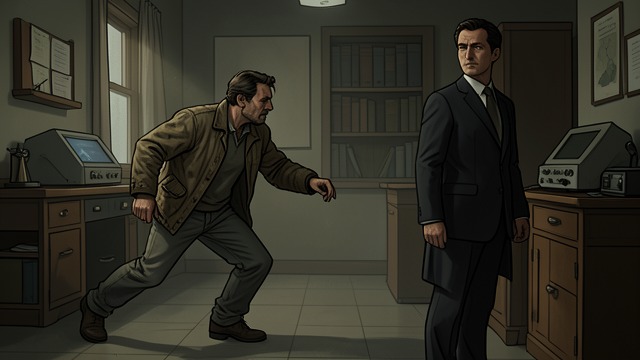
As Marlowe leaves the club, Lamarr approaches him in a guarded, crablike manner. He claims to recognize Marlowe from a meeting with “Hook” and warns that Hook may press-gang him into service. His language sounds like an eccentric fantasy, but his fear appears genuine.
A clue beneath the story
Lamarr identifies the club’s workers as the Lost Boys and calls a powerful figure Captain Hook. The image is strange enough to linger with Marlowe, who does not yet know how it connects to the club’s management. What seems at first like a confused man’s private mythology later becomes a practical clue to the hierarchy surrounding him.
A Silenced Conversation
The Rake and the Manager
A frightened worker
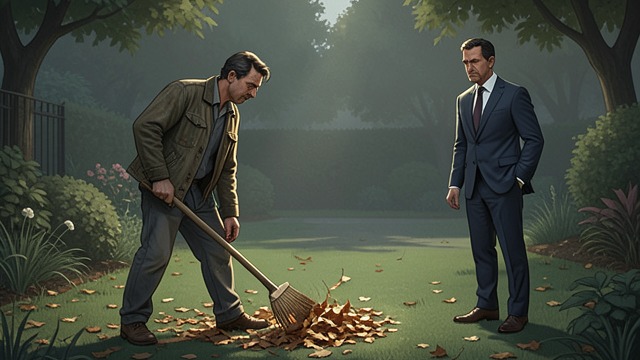
On a later visit, Marlowe encounters Lamarr raking leaves and asks whether Captain Hook is about. Lamarr says he is not supposed to speak to Marlowe and worries that he will get into trouble. His response suggests someone has already intervened to keep the worker quiet.
Hanson’s control
Floyd Hanson arrives and reproaches Lamarr for annoying visitors, then sends him away with a soft but unmistakable authority. Hanson dismisses Lamarr as a fantasist, yet the exchange reinforces the warning’s importance: the vulnerable workers are not free to speak openly about what they observe. Marlowe sees the charitable workplace as a setting where obedience and surveillance also operate.
The Meaning of Hook

A Metaphor Becomes Evidence
Connecting the names
As Marlowe recounts Lamarr’s words to Bernie Ohls, the pieces begin to fit. “Captain Hook” refers to Hanson, while Lamarr’s “Lost Boys” are the vulnerable people employed at the club. The seemingly fanciful encounter now directs attention to the staff and the manager’s access to them.
An investigative use
Marlowe reasons that one of the workers could have supplied the unidentified body used in Nico Peterson’s staged death. Hanson had been among the first people at the supposed accident and had helped establish the dead man’s identity. The club’s hiring tradition thus becomes relevant not as proof by itself but as the overlooked route toward questioning the club’s internal arrangements.
A Sanctuary Unmasked
Benevolence and Coercion
The institution’s double face
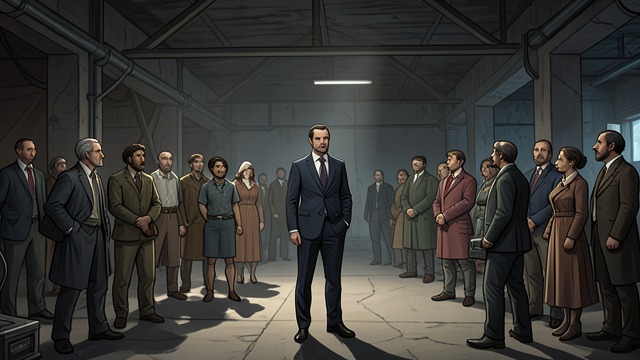
The club’s reputation for offering shelter to people in need stands in sharp contrast to the violence that unfolds within its grounds. Workers who seemed to be protected by the institution are also caught in a system controlled by its wealthy leaders and manager.
The clue’s lasting weight
Lamarr’s metaphor does not explain every act or expose the entire club on its own, but it gives Marlowe a way to question the official account. By following the people the club keeps at its margins, he finds an opening into secrets that the polished membership would rather leave undisturbed. The charitable policy becomes a reminder that protection can also create dependence and silence.
During Marlowe’s first guided walk around the club
After Marlowe’s first interview with Hanson
During Marlowe’s return to the club
After the Cahuilla Club raid
As the club’s violence is investigated
